 Skip to content

Websites Templates
Browse our curated selection of the top free WordPress themes to find the perfect template for your website.
Whether you’re launching a blog, a business site, or an online portfolio, you can explore a variety of modern, responsive, and feature-rich designs.
Discover the ideal style and functionality to bring your vision to life without any cost.

Different Styles of Websites Templates
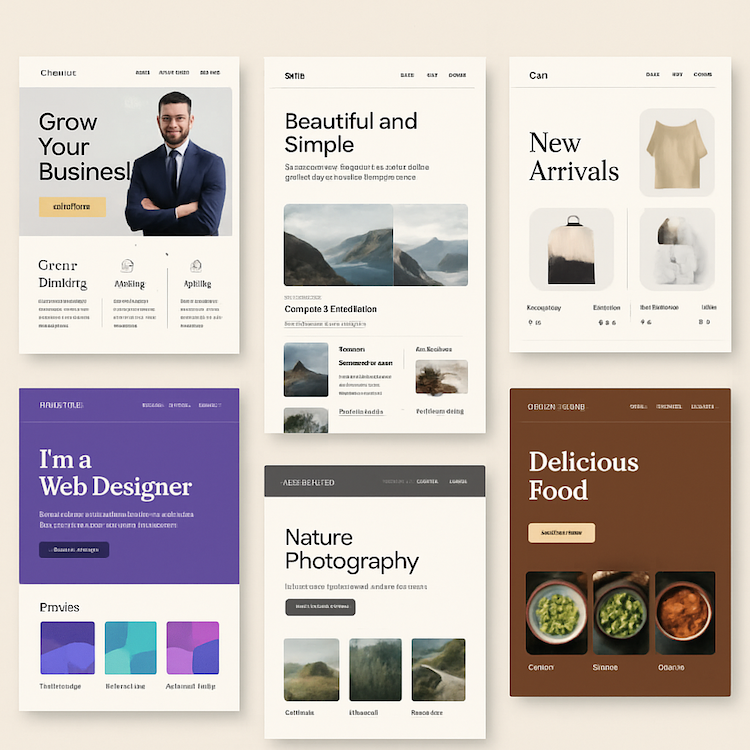
Website templates come in every flavor: minimalist grids for portfolios, hero-first SaaS landers, editorial blog layouts, e-commerce catalogs with mega-menus, artsy one-pagers with parallax, brutalist blocks, retro neon, dashboards full of cards, and—because we live in 2025—dark mode by default. The good ones ship responsive out of the box, with modular sections, sane type scales, ARIA labels, and SEO basics already baked in. Need a nonprofit donor flow, a restaurant menu, or a community hub? There’s a pattern for that — wired for forms, payments, and translations (yes, RTL too). Pick a vibe, swap colors and components, and you’re live before your coffee cools. Pro tip: make accessibility and performance non-negotiable; pretty is optional, inclusive and fast is mandatory.
Website templates come in every flavor: minimalist grids for portfolios, hero-first SaaS landers, editorial blog layouts, e-commerce catalogs with mega-menus, artsy one-pagers with parallax, brutalist blocks, retro neon, dashboards full of cards, and—because we live in 2025—dark mode by default. The good ones ship responsive out of the box, with modular sections, sane type scales, ARIA labels, and SEO basics already baked in. Need a nonprofit donor flow, a restaurant menu, or a community hub? There’s a pattern for that — wired for forms, payments, and translations (yes, RTL too). Pick a vibe, swap colors and components, and you’re live before your coffee cools. Pro tip: make accessibility and performance non-negotiable; pretty is optional, inclusive and fast is mandatory.
What Are WordPress Themes and How Do They Work?
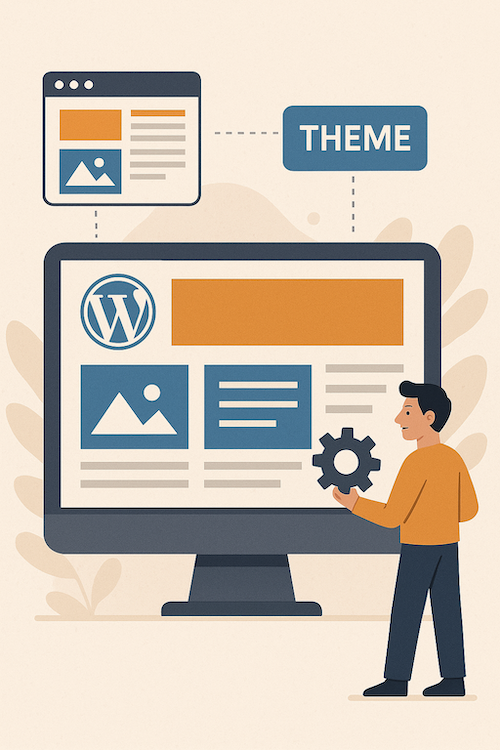
WordPress themes are essentially design templates that control the visual appearance and layout of a website, determining everything from color schemes and typography to the placement of headers, footers, and content areas. They work by using a combination of template files—written primarily in PHP, HTML, CSS, and JavaScript—that interact dynamically with the WordPress core. When a visitor accesses a page, the theme retrieves content from the WordPress database and renders it according to its predefined design rules, seamlessly blending your site’s text, images, and other elements into a cohesive, styled webpage. This system cleanly separates content from design, allowing users to switch themes and instantly transform their site’s look without losing any of their underlying content.
WordPress themes are essentially design templates that control the visual appearance and layout of a website, determining everything from color schemes and typography to the placement of headers, footers, and content areas. They work by using a combination of template files—written primarily in PHP, HTML, CSS, and JavaScript—that interact dynamically with the WordPress core. When a visitor accesses a page, the theme retrieves content from the WordPress database and renders it according to its predefined design rules, seamlessly blending your site’s text, images, and other elements into a cohesive, styled webpage. This system cleanly separates content from design, allowing users to switch themes and instantly transform their site’s look without losing any of their underlying content.
WordPress Free Themes Versus "Paid Themes
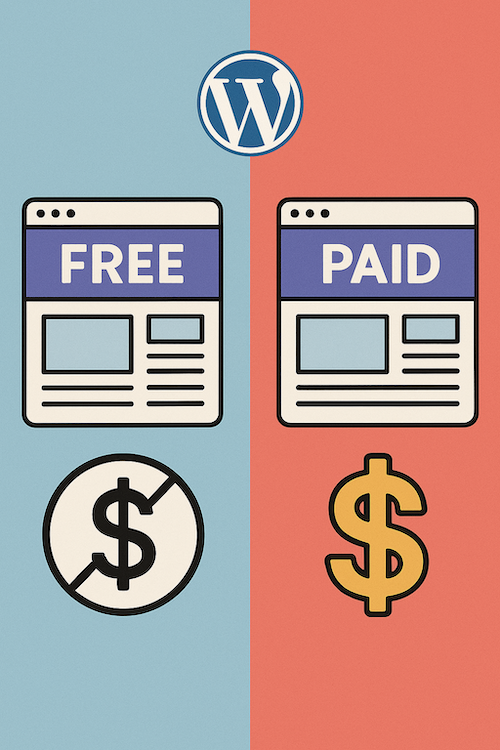
The choice between free and paid WordPress themes represents a fundamental trade-off between cost and capability. Free themes, available in the official WordPress directory, offer a fantastic, zero-cost starting point, providing basic designs and essential customization options that are perfect for simple blogs or brochure sites. However, they often include only limited support and may feature generic code that can slow down a site. In contrast, paid (or premium) themes require an upfront investment but deliver significant value through superior, optimized code for faster loading, a wealth of advanced features like built-in page builders and niche-specific designs, and, most importantly, access to reliable, professional customer support. This makes premium themes a more robust, secure, and scalable solution for business websites or anyone seeking a unique, professional online presence without the need for extensive custom coding.
The choice between free and paid WordPress themes represents a fundamental trade-off between cost and capability. Free themes, available in the official WordPress directory, offer a fantastic, zero-cost starting point, providing basic designs and essential customization options that are perfect for simple blogs or brochure sites. However, they often include only limited support and may feature generic code that can slow down a site. In contrast, paid (or premium) themes require an upfront investment but deliver significant value through superior, optimized code for faster loading, a wealth of advanced features like built-in page builders and niche-specific designs, and, most importantly, access to reliable, professional customer support. This makes premium themes a more robust, secure, and scalable solution for business websites or anyone seeking a unique, professional online presence without the need for extensive custom coding.
how WordPress free plugins can complement missing features in free themes
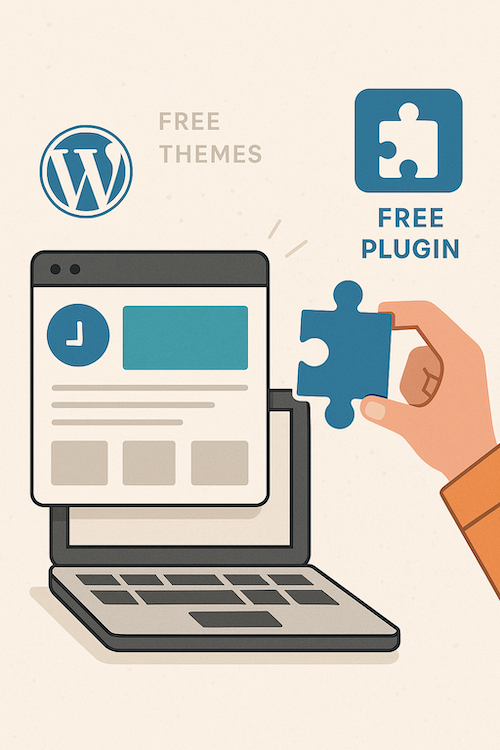
While a free WordPress theme provides the essential aesthetic framework for your site, it often lacks the advanced functionality needed for a fully-featured online presence. This is where free plugins become indispensable, acting as powerful tools that seamlessly fill the gaps left by a minimalist theme. For instance, if your chosen free theme has a basic navigation menu, a plugin can add a sophisticated mega menu. If it lacks search engine optimization (SEO) fine-tuning, an SEO plugin can take complete control. From adding complex contact forms and social media integration to creating an entire online store with WooCommerce, free plugins empower you to extend your website’s capabilities far beyond the theme’s inherent limits. This synergistic relationship allows you to build a highly customized and functional website by pairing a simple, lightweight theme with a curated selection of plugins, achieving a level of sophistication typically associated with premium themes without the initial financial investment.
Additionally, the flexibility offered by free plugins ensures that you can easily adjust and expand your site as your needs evolve. Whether you need to add a membership system, improve website speed, or integrate advanced analytics, plugins offer an extensive range of possibilities. With the right mix of plugins, you can fine-tune every aspect of your site to match your specific goals and user experience expectations. This makes free themes combined with plugins an incredibly adaptable choice for building a unique website.
The Best Free WordPress Themes
Explore Minihosting Technologies‘ collection of free WordPress theme demos. Test responsive, fast, and SEO-friendly designs for blogs, business, and eCommerce before you download any theme.
WordPress offers a vast selection of themes, catering to various niches and purposes, making it one of the most flexible platforms for building websites.
Some of the best WordPress themes include Astra, known for its lightweight design and compatibility with page builders like Elementor and Beaver Builder, making it ideal for beginners and professionals alike.
Flatsome and OceanWP are popular choices due to their seamless integration with WooCommerce and visually appealing layouts. If you’re looking for a multipurpose theme, Avada and GeneratePress provide versatile options, balancing performance and customization.
These themes not only feature responsive designs but also offer robust support, regular updates, and SEO-friendly structures, making them reliable choices for crafting stunning and functional websites.
eCommerce templates and WooCommerce
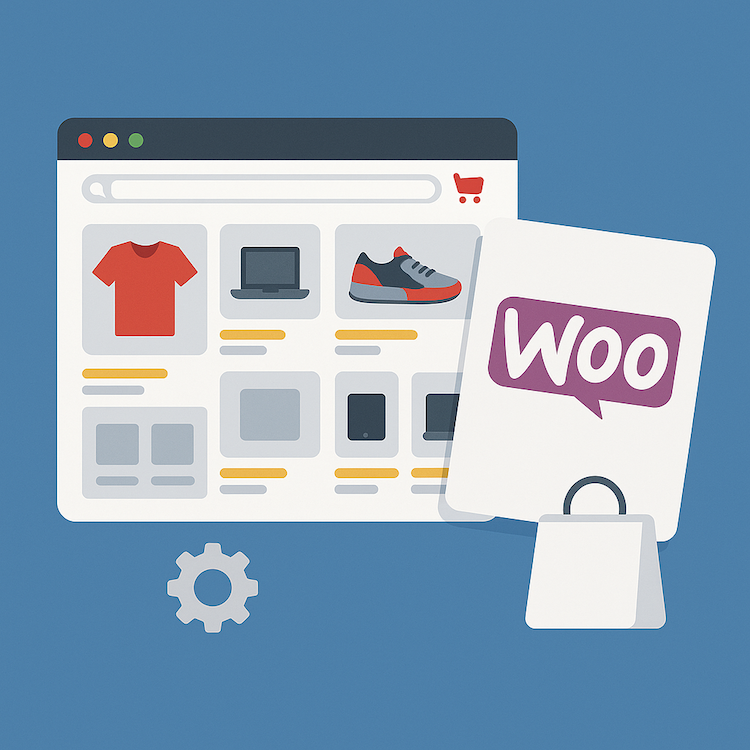
WordPress eCommerce templates are purpose-built themes designed to provide a strong, visually appealing foundation for online stores, making them ideal for merchants who want to showcase products and manage their business without a steep learning curve. These templates are not only aesthetically designed to highlight products, but they also come optimized for high conversion rates, with clean layouts, responsive design, and built-in tools to manage everything from product pages to customer interactions. When integrated with WooCommerce, a robust and highly customizable plugin, these templates turn any WordPress site into a fully-featured eCommerce platform. WooCommerce equips store owners with all the essential features needed for running an online shop, including product catalogs, secure shopping carts, payment gateway integrations, and inventory management. Plus, WooCommerce allows for advanced functionality like variable products, subscription services, or even booking systems, offering endless flexibility. Whether you’re selling physical goods, digital downloads, or services, WooCommerce gives you complete control over your store’s operations. Paired with a well-crafted eCommerce template, this combination ensures that your online store not only looks professional but is also scalable and easy to manage, allowing you to grow your business with minimal technical effort and cost.
Blog and Articles
30 August 2025
Top 5 Free WordPress Themes for Small Businesses (That Look Professional)
Your small business website is your digital storefront. It’s often the first point of contact for potential customers, and...
23 August 2025
The Technical How-To Guide
How to Choose a Free WordPress Theme in 2025: A 5-Step Pre-Install Checklist
The WordPress directory boasts thousands of...
09 May 2021
The Essential Step Everyone Skips
Don’t Install a Free WordPress Theme Until You Do This One Thing
You’ve found the perfect free WordPress theme. The...
09 May 2021
Solving a Specific Problem
Is Your Website Driving Away Clients? How the Right Business Theme Helps
Your website is your digital storefront. For small...
09 May 2021
Targeting a Niche Audience
Beyond the Blog: Finding a Free WordPress Theme That Grows With You
So, you started a blog. It began as a passion project,...
07 May 2021
Leveraging a Trend
Light vs. Dark: Why Modern WordPress Themes Are Offering Both
Web design is constantly evolving, but one of the most user-centric...
https://www.effectivecpmrate.com/hr8w31q983?key=fe620fb069f1e306fcb2a32ae6e639ea
